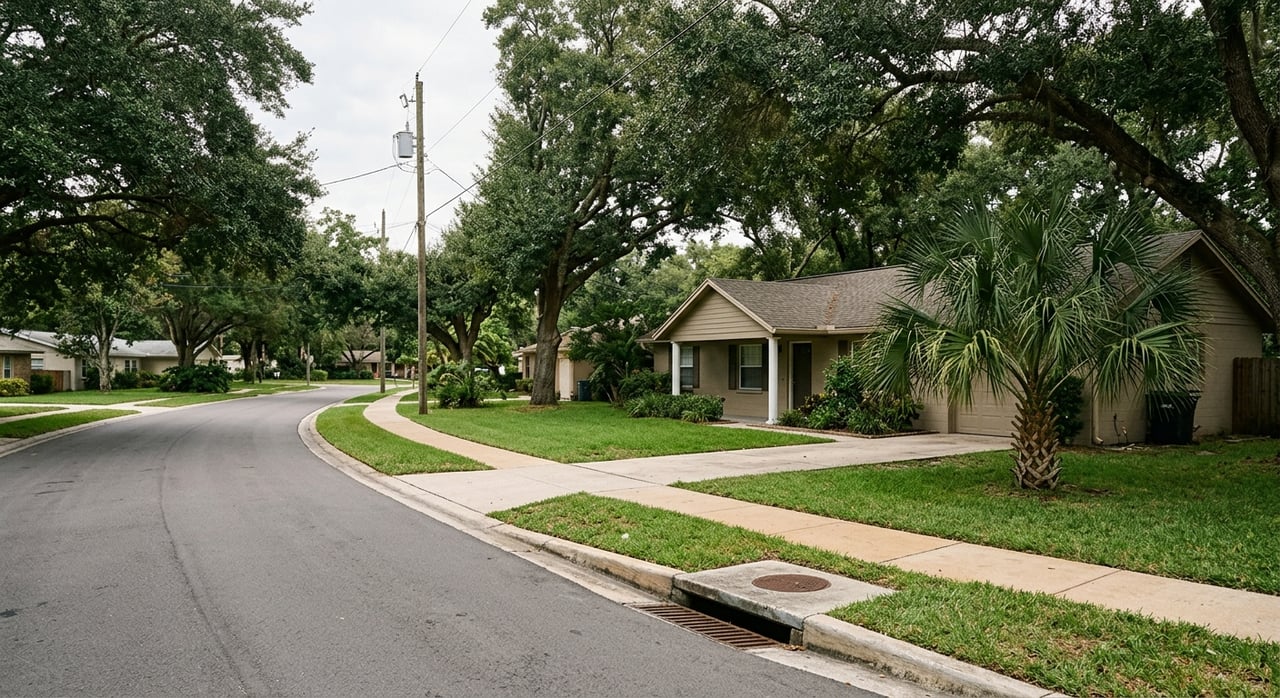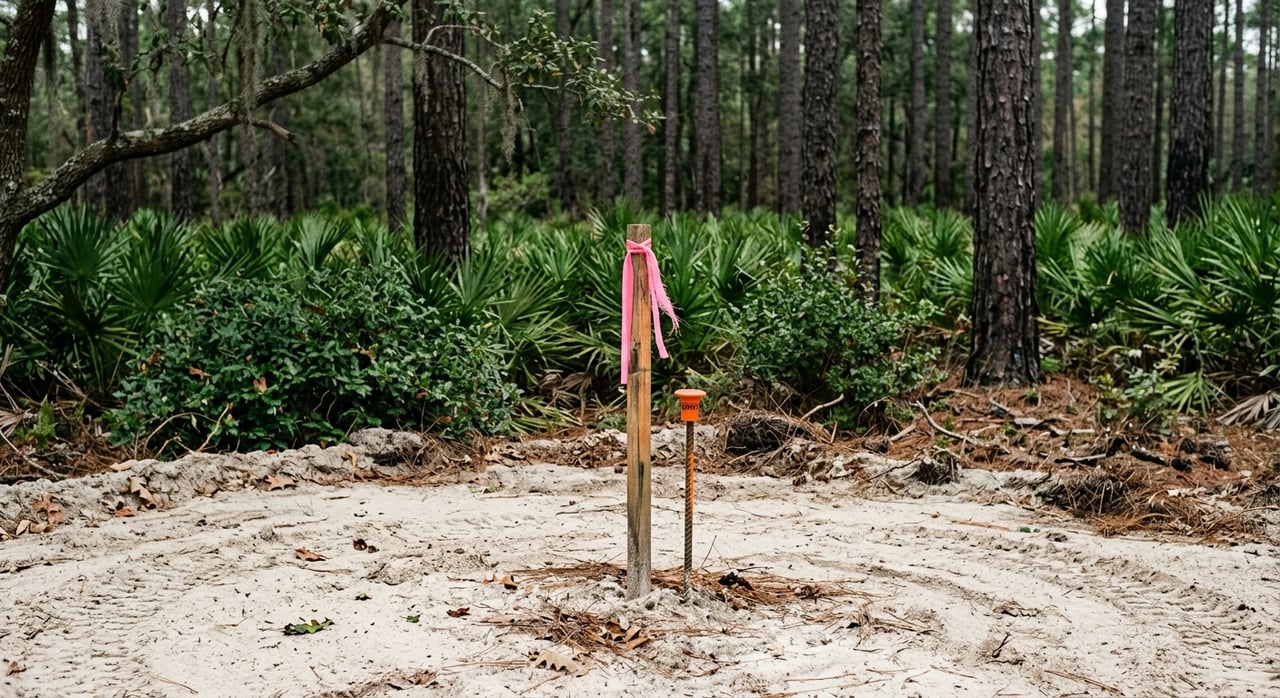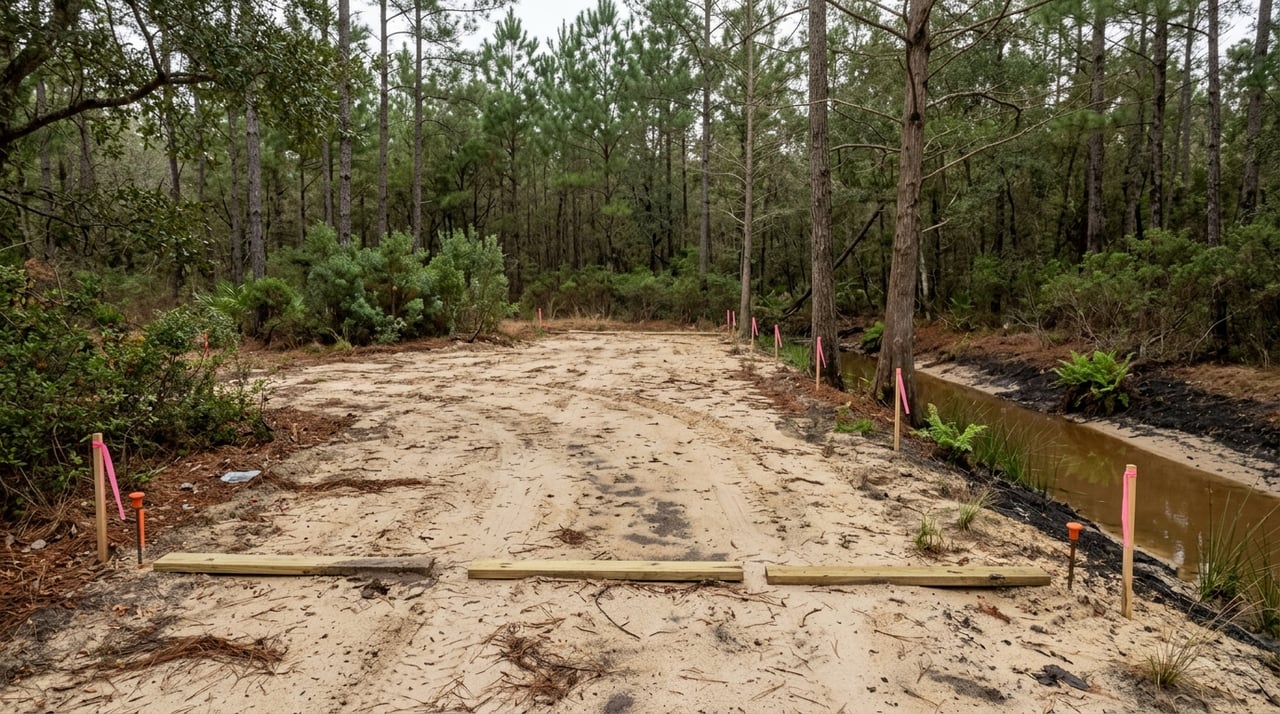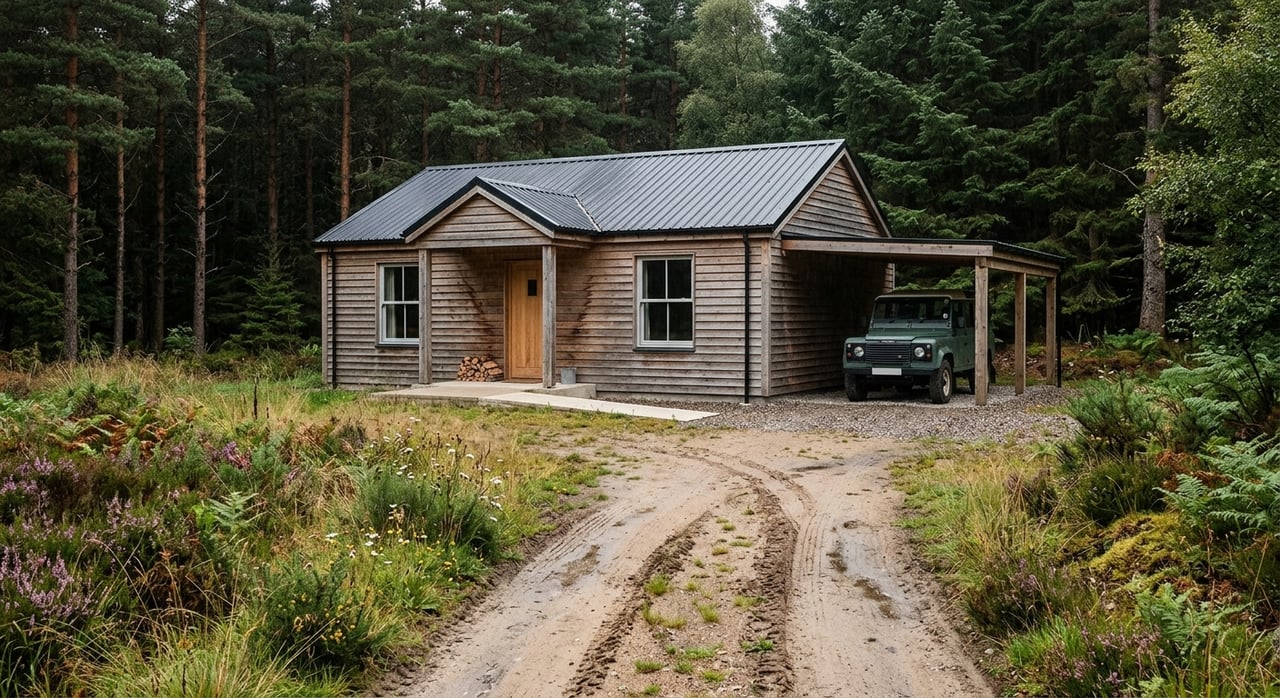
Looking for a place where you can spread out, unplug, and enjoy the outdoors? Washington County, Florida, stands out for buyers who want recreational land with room for camping, hunting, trail use, or a simple weekend retreat. If you are exploring acreage here, it helps to understand how the land lays, what public recreation surrounds it, and what due diligence matters most before you buy. Let’s dive in.
Why Washington County Appeals to Land Buyers
Washington County offers a very different feel from more built-up parts of Northwest Florida. According to Census QuickFacts, the county had an estimated 26,503 residents in July 2024 across 584.68 square miles, which works out to about 43.3 people per square mile. County administration also describes Washington County as a rural county, which helps explain why many buyers look here for space and flexibility.
The county’s outdoor setting is a big part of the draw. Washington County Parks notes there are 221 lakes, Holmes Creek, Econfina Creek, and 44 county-owned public parks. For you as a buyer, that means recreational land here often fits a lifestyle centered on outdoor use rather than dense residential development.
What Recreational Land Looks Like
One of the most important things to know is that recreational land in Washington County is not all the same. The USDA soil survey for Washington County shows a mix of well-drained uplands, somewhat poorly drained sandy areas, and wetter low-lying ground. That variety can affect everything from access and trail planning to camping comfort and future improvement costs.
Some upland soils, such as Orangeburg loamy sand, are described as well drained and nonflooded on hills and marine terraces. Other soils, including Chipley and Lynchburg types, are somewhat poorly drained. At the wetter end, Pantego and Clara ponded soils are described as very poorly drained, hydric, and subject to ponding or surface saturation.
That creates a simple but useful takeaway: the best parcel depends on how you want to use it. If you want drier ground for a cabin site, parking area, or trail system, upland conditions may matter more. If your goal is privacy, habitat, or a natural retreat feel, a parcel with mixed wet and dry features may still be appealing, but you will want to study it carefully.
Outdoor Access Adds Lifestyle Value
Washington County gives you more than just private acreage. It also offers easy access to public outdoor destinations that can shape how you use your property.
Falling Waters State Park is one of the county’s best-known recreation spots and sits about four miles south of downtown Chipley. The park is known for Florida’s highest waterfall and offers camping, hiking, fishing, swimming, birding, wildlife viewing, and picnicking. If you want a recreational parcel that works as a quiet home base for weekend trips, that kind of nearby amenity can add real value to your experience.
Pine Log State Forest adds another layer of appeal. The forest spans about 7,000 acres in Bay and southwestern Washington counties and is about 13 miles north of Panama City Beach. According to the forest brochure, visitors can camp, hike, bike, bird, fish, hunt, and ride horses there, with more than thirteen miles of hiking and biking trails plus multi-use and equestrian trails.
Land Features Can Vary Fast
Even within the same part of the county, land conditions can change quickly. The Pine Log State Forest brochure describes landscapes that include sandhills, flatwoods, cypress ponds, and titi swamps. County public-lands information also notes that Dunford Lake is a 210-acre sinkhole lake and the county’s only permitted lake, with the surrounding area serving as part of the Florida aquifer recharge landscape.
For you, this means it is smart to avoid making assumptions based on a listing photo or a tax-map outline alone. Two parcels with similar acreage may feel completely different on the ground. One may offer dry, usable frontage and open interior access, while another may include low spots, seasonal water, or protected features that shape what you can realistically do with it.
Best Uses for Recreational Parcels
Public recreation sources point to several outdoor uses that fit naturally in Washington County. Hunting, trail riding, camping, fishing, and birding all show up repeatedly in county and state materials. That does not mean every parcel supports every use equally, but it does help frame what buyers often seek here.
A recreational tract may work well if you want to:
- Create a weekend camping base
- Enjoy private space for outdoor recreation
- Use the property as a jumping-off point for nearby parks and public lands
- Hold acreage for personal use while evaluating future plans
- Look for land with a more natural, low-density setting
The key is matching the land to your priorities early. A parcel that is great for quiet outdoor enjoyment may not be ideal if you expect easy utility connections or immediate build-readiness.
Due Diligence Matters More With Land
Washington County’s own Buyer Beware handout gives buyers a strong checklist, and it is especially useful when you are considering recreational land. Before you move forward, the county advises buyers to visit the property, research taxes and permit-related costs, ask about utilities and sewer, check how much of the parcel lies in environmentally protected areas, and confirm the Future Land Use Map category.
The same county handout also notes that undeveloped property may need deeded access or frontage on an existing county or state road. It adds that roads built after February 1999 must be paved. These details matter because access can shape both current enjoyment and long-term options.
The county also warns that parcels under 4.5 acres may require subdivision review and approval. In addition, the planning department does not enforce deed restrictions or covenants, so you should not assume those issues will be reviewed for you during the county process. Recreational land can feel simple at first glance, but the background details are often where the real story is.
What to Verify Before You Buy
If you are comparing Washington County recreational properties, start with a practical screen. Focus first on the issues that can change whether the property fits your goals.
Here are some of the biggest items to verify:
- Flood exposure
- Legal and physical road access
- Utility availability and sewer or septic considerations
- Environmentally protected areas
- Future Land Use Map designation
- Deed restrictions or covenants
- Whether the parcel size triggers extra review
County planning materials specifically direct buyers to verify flood information with the Northwest Florida Water Management District before purchase and to contact planning staff before closing on a parcel. That is especially important in a county where land can range from dry uplands to ponded or hydric areas.
Why Future Land Use Matters
One of the easiest mistakes land buyers make is assuming a property can be used however they want. Washington County public materials repeatedly reference categories such as Agriculture/Silviculture and Conservation, so FLUM status should be part of your early review, not a last-minute question.
The county’s Buyer Beware sheet gives an example that you should not expect drive-thru commercial uses on Agriculture/Silviculture land. Even if your plans are recreational and personal, future land use can still affect what improvements, structures, or long-term changes make sense. A good land search is not just about acreage. It is about fit.
A Smarter Way to Evaluate Parcels
When you are shopping for recreational land in Washington County, it helps to think beyond price per acre. A cheaper parcel can become more expensive if access is weak, flood concerns are higher than expected, or the site needs more work to support your intended use. On the other hand, a well-located tract with better access and clearer land-use compatibility may offer more value over time.
That is why many buyers benefit from a practical, front-end review of access, land-use context, and basic feasibility. If you want help sorting through acreage, zoning questions, or next-step property research, Tina N Marsh can help you evaluate land with a clear, grounded approach so you can move forward with more confidence.
FAQs
What is recreational land like in Washington County, Florida?
- Recreational land in Washington County can include wooded uplands, pine-related tracts, wetter low areas, and parcels near lakes or creeks, based on the USDA soil survey and county recreation resources.
What outdoor activities fit Washington County recreational land?
- Public sources repeatedly reference hunting, trail riding, camping, fishing, birding, hiking, biking, and wildlife viewing as common outdoor uses in and around Washington County.
What should you check before buying recreational land in Washington County?
- You should verify flood exposure, road access, utilities, sewer or septic feasibility, protected areas, Future Land Use Map designation, and any deed restrictions or covenants.
How rural is Washington County, Florida?
- Census QuickFacts reports about 43.3 people per square mile in Washington County in July 2024, and county administration describes it as a rural county.
How close is Washington County to Gulf Coast recreation?
- Pine Log State Forest is described by the Florida Forest Service as about 13 miles north of Panama City Beach, which makes Gulf Coast day trips realistic from many inland parcels.