Ever picture your mornings starting with quiet pasture views and the sound of birds instead of traffic? If you are thinking about acreage in Jackson County, you are likely weighing privacy and space against longer drives and more maintenance. You want the real story so you can choose with confidence. This guide breaks down property types, daily life realities, service checks, rules, costs, and a step-by-step checklist tailored to Jackson County. Let’s dive in.
Acreage options in Jackson County
Small rural lots (1–5 acres)
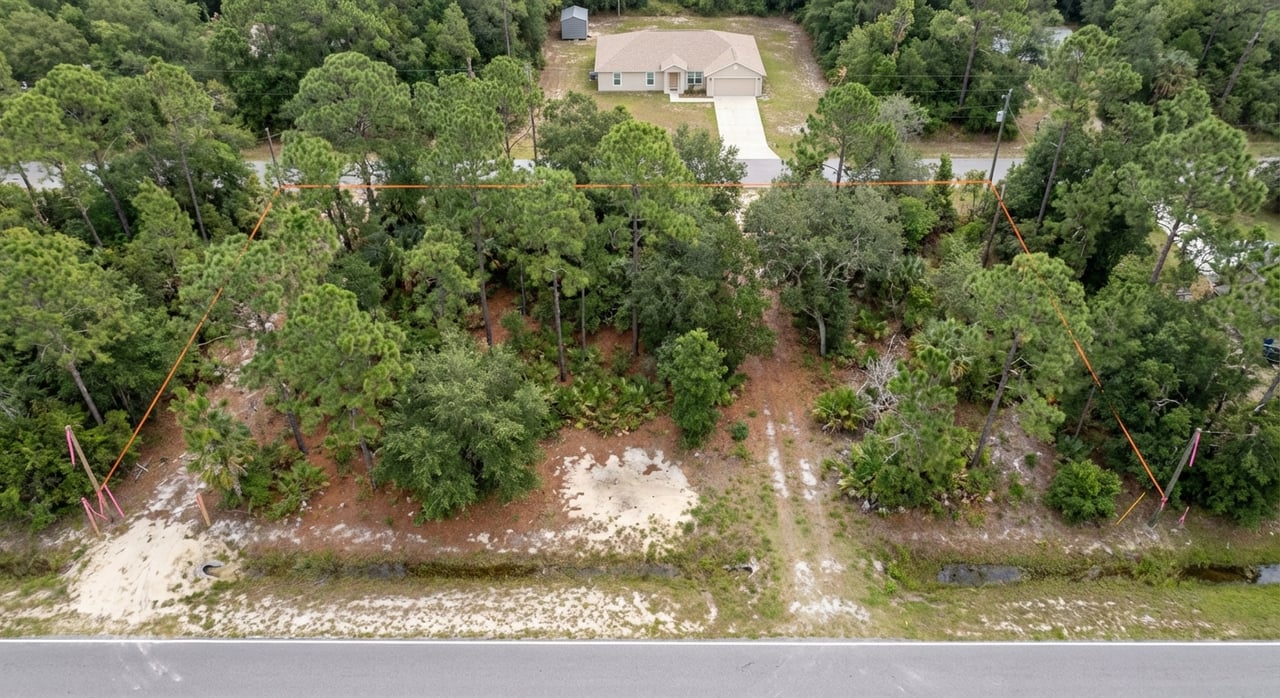
Small rural lots work well if you want room for a single-family home, a garden, and maybe a few animals. These lots are often created from larger tracts or rural subdivisions. You usually get lower costs and simpler permitting than larger tracts. Privacy is improved over a subdivision, but nearby neighbors are common.
Hobby farms and ranchettes (5–40 acres)
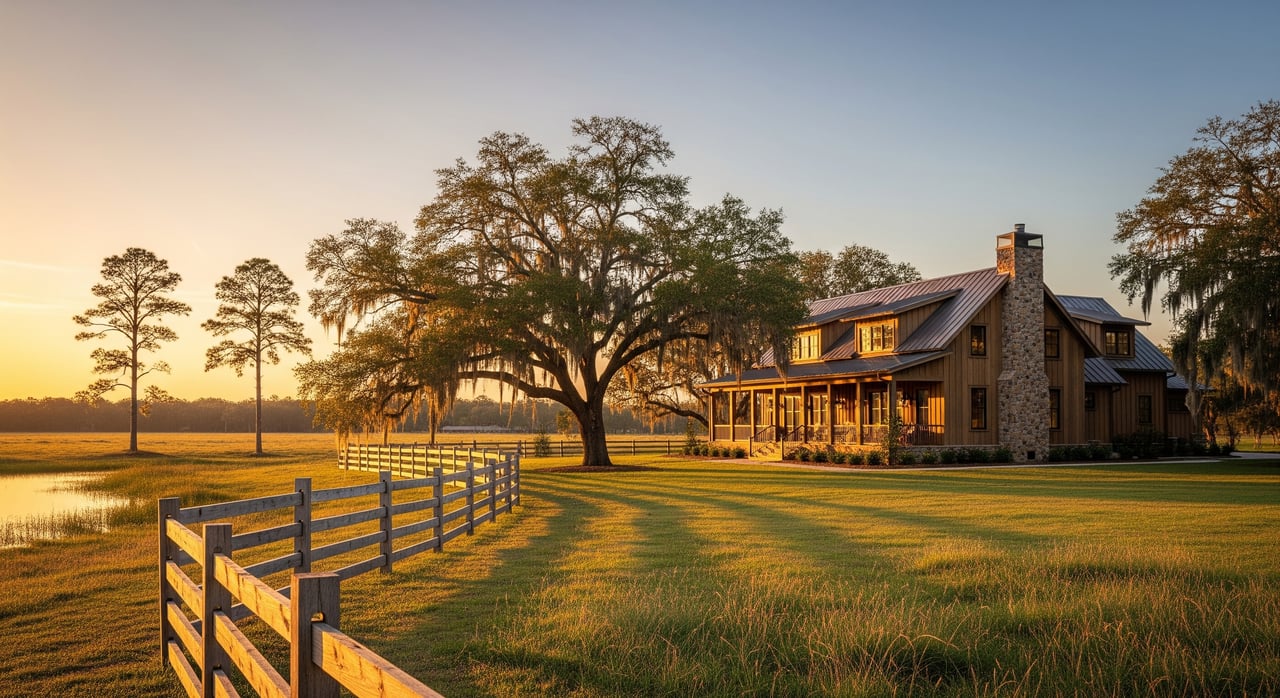
Hobby farms and ranchettes offer space for small livestock, outbuildings, and hobby equestrian or hay. You may see a mix of pasture and woods, sometimes with ponds or creeks. These parcels can deliver a strong sense of privacy without feeling isolated. Expect more time or contractor budget for fences, mowing, and driveway upkeep.
Timberland and recreational tracts (40+ acres)
Large tracts are often managed pine or mixed hardwood stands. Owners use them for hunting, timber income, or a private retreat. Services can be limited and access may be via unpaved roads or private easements. You gain seclusion and recreation but should plan for active land management and slower resale timelines.
Working farms and raw acreage
Working farms may include crop fields, pasture, irrigation, and agricultural outbuildings. Raw acreage is a blank slate that usually needs a driveway, well, septic, and power brought in. Upfront infrastructure is the tradeoff for flexibility. Due diligence on soils, wetlands, and access is critical before you buy.
Daily life: privacy, maintenance, and commute
Acreage gives you room to spread out, reduce noise, and enjoy the outdoors. With more land comes regular chores like mowing, invasive plant control, fence repairs, and gate or driveway maintenance. Many rural homes use private wells and septic systems, and propane if natural gas is not available. Drives to groceries, healthcare, and schools can be longer, though properties near towns like Marianna cut down the commute.
Infrastructure and services to verify
Roads and access
Confirm legal access by public road frontage or a recorded easement. If access is private, ask about maintenance agreements and costs. Unpaved roads and low-lying driveways can be challenging after heavy rain. Seasonal accessibility matters in a humid subtropical climate.
Water and septic
Municipal water is limited in rural Jackson County, so most owners install private wells. Check typical well depths and local water quality in the area. Most parcels need onsite sewage treatment, so a septic site evaluation and soil suitability are key. If a system exists, assess condition and maintenance history.
Power and fuel
Electric service typically reaches many rural areas, but long line extensions can be costly on remote tracts. Propane is common for heating and cooking where natural gas is unavailable. Interest in solar and battery backup is growing, and you should review any HOA or county rules that apply.
Internet and cellular
Wired broadband can be limited outside town centers. Many owners use fixed wireless or satellite service. Check coverage and speeds at your specific address before you commit. Review county broadband plans, provider maps, and cell coverage for reliability.
Emergency services, schools, and mail
Response times can be longer in remote areas. Look at distance to the nearest ambulance, fire station, and hospital. Marianna serves as the main hub for medical care and government services. Confirm your school assignment with Jackson County Public Schools and verify USPS delivery or the need for a PO box.
Rules, taxes, and insurance basics
Zoning and permits
Land use and zoning guide what you can build and how you can use your acreage. Review allowed residential, agricultural, or forestry uses, along with any restrictions on the number and type of structures. Building, septic, and well permits must be secured before construction. Setbacks, floodplain, and wetlands constraints can limit where you build on the parcel.
Floodplains and wetlands
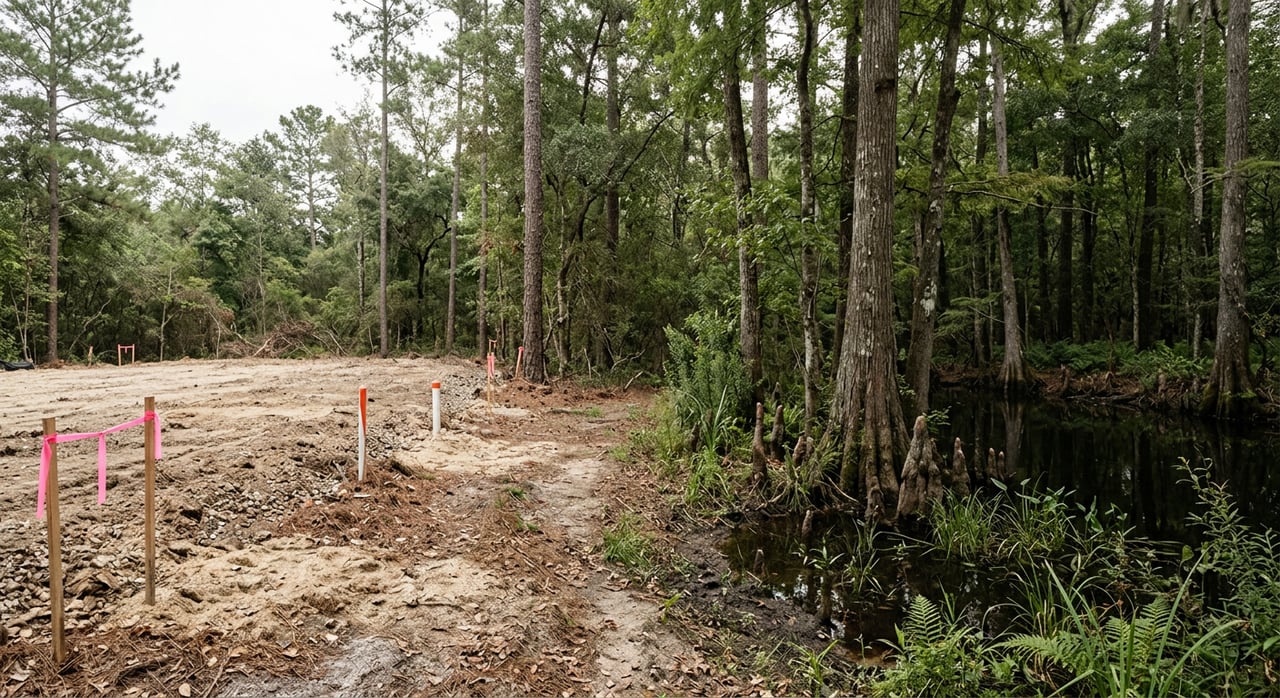
If your acreage includes a creek, pond, or low-lying area, check FEMA flood maps and county rules. Some sites require elevated construction or special setbacks. Wetlands and waterways have protections that can affect driveways, culverts, and building locations. Map reviews early in the process save time and money later.
Taxes and exemptions
Property taxes are set by the county property appraiser. Homestead exemptions and agricultural classifications can reduce taxable value if you qualify. Timberland and agricultural programs may require management plans or activity thresholds to maintain favorable valuations. Review requirements and file the right documents on time.
Insurance considerations
Hurricanes and tropical storms can impact inland counties, so wind coverage is part of most policies. Flood insurance is required by lenders if your structure sits in a mapped flood zone and can be wise in low-lying areas even if not required. Consider liability coverage for livestock, ponds, or hunting. Get quotes early to spot underwriting issues.
Conservation and environmental
Development near wetlands, streams, or protected habitats may trigger federal or state regulations. Conservation easements or USDA programs can reduce carrying costs but will limit certain uses. If you plan managed timber or habitat work, coordinate early to align goals with program rules.
Market, financing, and budgeting
Acreage pricing varies widely with proximity to towns, road frontage, utilities, water features, timber value, soil productivity, and development potential. Remote or very large tracts typically have a smaller buyer pool and may take longer to sell. Common buyers include privacy seekers, hobby farmers, timber and hunting buyers, and local farmers expanding operations.
Financing raw land often requires larger down payments and higher rates than typical home loans. Agricultural and farm loans may be options for qualifying operations. If you plan to build, look into construction-to-permanent loans to streamline the process. Owner financing appears in some rural deals, but you should verify terms and record documents properly.
Plan for both upfront and ongoing costs:
- Routine: property taxes, insurance, electricity, propane, septic pumping, well service, mowing and brush clearing, pest control, gate and fence repairs.
- Periodic: timber thinning, replanting, driveway grading, culvert replacement, major septic or well repairs.
- Capital: utility line extensions, outbuildings, fencing, solar and batteries, irrigation.
Land management and recreation
Vegetation and fencing
Expect to mow, bush-hog, or hire mechanical clearing to manage growth and reduce fire risk. Prescribed burning can be a useful tool where permitted and managed by professionals. Fencing choices range from livestock wire to perimeter deer fencing, with different costs and upkeep needs.
Timber and income
Managed pine or mixed hardwood stands can generate periodic timber revenue. Work with a consulting forester on thinning schedules, road and landing planning, and replanting. You can also consider hunting leases or small-scale agriculture to offset costs. Written agreements and clear terms protect your interests.
Hazards and climate
Jackson County sits in a humid subtropical climate with hot summers and mild winters. Expect rapid vegetation growth, mold, and pests if maintenance lapses. Hurricanes and tropical storms can bring wind and localized flooding. Wildfire risk rises in dry periods, and any controlled burns require permits and careful planning.
Towns and amenities
Marianna is the county seat and the main center for groceries, medical care, and services. Smaller towns like Sneads, Cottondale, and Campbellton add local conveniences. Rivers, ponds, and parks offer fishing, boating, kayaking, and wildlife viewing. Confirm access rules and permits before you plan activities.
Practical buying checklist
Use this list to focus your due diligence:
- Confirm legal access with road frontage or a recorded easement.
- Verify zoning and allowed uses with county planning and zoning.
- Check floodplains and wetlands using FEMA maps and county resources.
- Get a current survey or confirm boundaries and any easements or rights.
- Confirm electric service and any line extension costs with the utility.
- Schedule a septic site evaluation and well feasibility if the site is undeveloped.
- Review tax history and eligibility for homestead or agricultural classifications.
- Order a title search, consider title insurance, and verify any covenants.
- Obtain quotes for home, wind, flood, and liability coverage.
- If you plan timber or agriculture, talk with a forester or extension agent and review soils.
- Walk the land to assess roads, fences, water features, and structures.
- Line up local service providers for wells, septic, land clearing, fencing, and heavy equipment.
Is acreage a fit for you?
Acreage in Jackson County gives you room, privacy, and real outdoor living. You balance that with longer drives, more hands-on maintenance, and careful planning for utilities and permits. If you value space and self-reliance, the lifestyle can be rewarding. The key is doing the right checks up front so there are no surprises after closing.
Ready to evaluate a specific parcel or map out next steps for zoning, septic, and access? Reach out to Tina N Marsh for a practical plan, local insight, and a vendor team that helps you move from search to closing with confidence.
FAQs
What should I check first when buying acreage in Jackson County?
- Start with legal access, zoning and permitted uses, floodplain or wetlands, and basic utility feasibility for power, well, and septic.
How do wells and septic systems work for rural homes?
- Most rural homes use a private well for water and an onsite septic system, so you should schedule a septic site evaluation and confirm typical well depth and water quality in the area.
Are hurricanes a concern this far inland in the Florida Panhandle?
- Yes, inland counties can still see strong wind, heavy rain, and localized flooding, which is why wind and flood coverage and good land management are important.
Can I get high-speed internet on a rural tract?
- It depends on the address; some areas have limited wired options, and many owners use fixed wireless or satellite, so verify availability and speeds before you buy.
Will agricultural or timber use lower my property taxes?
- It can if you qualify for agricultural classifications or timber valuations, which require specific documentation and activity thresholds to maintain.
What income options exist for larger tracts?
- Common options include periodic timber sales, hunting leases with clear contracts, and small-scale agriculture, each with management and insurance considerations.